





Author: Five Star Ford of Lewisville Team
Deciding to move on from your current Ford is a significant financial step, whether you’re eyeing a brand-new model or simply looking to sell. As a cornerstone of the North Texas automotive community, we at Five Star Ford of Lewisville have guided countless drivers from Lewisville, Denton, Dallas, Grapevine, and Frisco through this very process. Our extensive experience has given us unique insights into the local market and what it takes to get the best possible value for your vehicle. This guide is our way of sharing that expertise with you, ensuring you feel confident and prepared from start to finish.
Key Takeaways (TL; DR)
- Pinpoint Your Ford’s True Worth: Before any negotiation, you must establish an accurate market value for your vehicle. Combine data from respected online valuation platforms with real-world prices from local listings in the Dallas-Fort Worth area to set a realistic benchmark.
- Convenience or Maximum Profit: Trading your vehicle in at a dealership offers unmatched simplicity, speed, and significant tax advantages in Texas. A private sale, however, typically brings a higher selling price but demands considerable personal effort and risk.
- Preparation Is Your Best Investment: A meticulously cleaned and well-maintained Ford will always secure a better offer. Investing a small amount of time and money in detailing and addressing minor repairs can yield a substantial return.
- Organized Paperwork Accelerates the Sale: Having your vehicle’s title, a complete service history, and a current vehicle history report ready streamlines the entire process. This level of organization builds crucial trust with any potential buyer or dealership.
- Negotiate from a Position of Strength: Whether at a dealership or with a private party, being armed with research and multiple offers allows you to negotiate effectively. Treat the trade-in as a distinct transaction to ensure you receive a fair price for your Ford.
- Adapt to the Local DFW Driving Scene: The value and appeal of certain Ford features, like all-wheel drive for unpredictable Texas weather or efficient engines for long commutes on I-35E, can be highlighted to attract local buyers.
How Can You Accurately Determine Your Ford’s Value in North Texas?
Before you can even think about listing your Ford or visiting a dealership, the first and most critical step is to determine its current market value. This foundational knowledge is your most powerful tool, empowering you to set a fair price and negotiate from a position of strength. Without it, you’re essentially flying blind.
Where Should You Start Your Valuation Research?
Your initial research should begin with reputable online valuation tools. Kelley Blue Book (KBB), Edmunds, and NADA Guides are the industry standard. They generate estimates by analyzing millions of data points based on your Ford’s specific model, year, mileage, condition, features, and your location in the Lewisville area.
It’s vital to pull both the “trade-in value” and the “private party value.” The trade-in value is typically lower because it reflects the price a dealership is willing to pay, factoring in the costs of reconditioning, marketing, and the risk of holding the vehicle in inventory. The private party value is what you could realistically expect to get by selling the car yourself, which is higher because you are doing the work.
How Do You Validate These Online Estimates?
Online tools provide a great baseline, but real-world market conditions in the DFW metroplex are what truly matter. The next step is to act like a buyer. Browse local listings on sites like Autotrader, Cars.com, and even Facebook Marketplace for Ford vehicles that closely match yours in terms of:
- Model and Year: A 2022 Ford F-150 vs. a 2020 model.
- Trim Level: An XLT versus a Lariat or Platinum trim can mean thousands of dollars in difference.
- Mileage: Compare vehicles within a 5,000-10,000 mile range of your own.
- Condition: Be honest about whether your car is “Excellent,” “Good,” or “Fair.”
- Features: Note any desirable options like the FX4 Off-Road Package on a truck or a panoramic sunroof on an Explorer.
This local market analysis helps you understand what buyers in Denton, Frisco, and Dallas are actually paying right now. It provides a reality check for the online estimates and helps you set a competitive, attractive asking price that isn’t so high it deters interest or so low you leave money on the table.
Should You Trade Your Ford in or Sell It Privately?

This is the central question for most sellers, and the answer hinges on what you value more: convenience or cash. Trading in your Ford at a dealership is the path of least resistance, offering speed and simplicity. Selling it privately, on the other hand, almost always results in a higher financial return but requires a significant investment of your time and effort. Let’s break down the realities of each option for a driver in the Lewisville area.
What Are the Main Benefits of a Dealership Trade-In?
- Unmatched Convenience: This is the primary draw. You can drive your old Ford to the dealership and drive away in your new one, often in a single afternoon. The dealership’s team manages all the complex paperwork, from the title transfer to paying off your existing loan. It’s a true one-stop-shop experience.
- Speed and Efficiency: The entire process is streamlined. There’s no need to spend weeks creating listings, answering calls from “tire-kickers,” scheduling test drives with strangers around Lewisville Lake, or worrying about the security of the payment.
- Significant Tax Savings: This is a huge, often overlooked financial benefit in Texas. When you trade in a vehicle, its value is subtracted from the price of the new car before sales tax is calculated. For example, if you’re buying a new $50,000 Ford Bronco and your trade-in is valued at $20,000, you only pay sales tax on the remaining $30,000. At the Texas sales tax rate of 6.25%, this saves you $1,250—money that goes directly back into your pocket.
What Are the Realities of a Private Sale?
- Higher Selling Price: This is the main reason people choose to sell privately. By taking on the roles of marketer, salesperson, and administrator, you can sell your Ford for a price closer to its retail value. You essentially pocket the profit margin that a dealership would otherwise build into their pricing.
- Complete Control: You are in the driver’s seat for the entire process. You determine the asking price, you screen potential buyers, and you manage the timing of the sale according to your own schedule.
- The Challenges Involved: Selling privately is a job. You are responsible for taking high-quality photos, writing a compelling ad, and posting it on multiple platforms. You must then field emails, texts, and calls—many of which will not be from serious buyers. You’ll need to arrange and supervise test drives, which involves security risks. Finally, you have to navigate the complexities of verifying payment to avoid scams and correctly handle all legal paperwork with the Texas DMV.
For many busy families and professionals in the DFW area, the time saved and the tax benefit make trading in the clear winner. However, if you have the time, patience, and confidence to manage the process, a private sale can be financially rewarding.
How Do You Get Your Ford Ready for a Successful Sale?
How you present your Ford is one of the most influential factors in determining its final sale price. A clean, well-documented, and mechanically sound vehicle signals to buyers that it has been cared for, justifying a higher value. The goal is to make your car look as close to new as possible.
What Is the First Step in Vehicle Preparation?
Before you touch a sponge or a wrench, get your paperwork in order. A complete and organized file of documents builds instant trust and can dramatically speed up the sale.
- The Title: Locate your vehicle’s certificate of title. If you have an outstanding loan on your Ford, the lienholder (the bank or credit union) holds the title. You must contact them to get the exact 10-day payoff amount, which is essential for the transaction.
- Service Records: Gather every maintenance and repair receipt you can find. A thick folder showing consistent oil changes, tire rotations, and timely repairs is powerful proof of responsible ownership. This is especially valuable for models known for their longevity, like the F-150 or Explorer.
- Owner’s Manual: Ensure the original owner’s manual is in the glove compartment, along with any other booklets that came with the car.
- Vehicle History Report: Proactively purchasing a report from a service like CarFax or AutoCheck demonstrates transparency. It allows you to know what a potential buyer will see and address any issues head-on.
How Important Is a Deep Clean?
First impressions are everything. A sparkling clean car not only looks better but is perceived as being more valuable and better maintained.
- Exterior Wash and Wax: Give your Ford a thorough hand wash, paying special attention to the wheels, tires, and wheel wells. Clean the windows inside and out. Applying a quality coat of wax will make the paint pop and can help hide minor swirl marks.
- Interior Detailing: This is where you can make the biggest impact. Vacuum every surface, including the carpets, seats, trunk, and floor mats. Use appropriate cleaners for the dashboard, door panels, and center console. Clean out the glove box and all storage cubbies. Most importantly, remove all personal items. A buyer needs to be able to envision the car as their own, not as yours.
- Odor Elimination: Lingering smells from pets, smoke, or even the gym can be a major deal-breaker. Use an automotive odor-eliminating spray or consider a professional ozone treatment for stubborn smells. The goal is a neutral, clean scent.
What Minor Issues Should You Address?
You don’t need to perform a complete mechanical overhaul, but fixing small, noticeable problems offers an excellent return on your investment.
- Warning Lights: If a “Check Engine” light or any other warning is illuminated on your dash, have a mechanic diagnose it. A warning light is an immediate red flag for any buyer and can torpedo a sale.
- Tires and Brakes: Make sure the tires are inflated to the proper PSI and have adequate tread. If your brakes are squeaking or grinding, it’s worth getting an inspection.
- Scratches and Dings: A simple touch-up paint pen, available at most auto parts stores, can make small scratches disappear. For minor dents, a paintless dent removal service can be a cost-effective solution that significantly improves the car’s appearance.
- Fluids and Bulbs: Top off the windshield washer fluid and check other fluid levels. Walk around the car and ensure all headlights, taillights, and turn signals are working. Replacing a burnt-out bulb is a cheap and easy fix that shows attention to detail.
What Documents Are Essential for Selling Your Ford in Texas?
Having the correct documentation organized and ready is mandatory for a smooth, legal transfer of ownership. Being prepared prevents last-minute scrambles and instills confidence in the buyer, whether it’s a dealership or a private individual.
Here is a checklist of the documents you’ll need:
- Vehicle Title: This is the single most important document, as it proves legal ownership. If you own the car outright, you should have the physical paper title. As mentioned, if you have a loan, the lienholder has the title, and you will need to coordinate with them to complete the sale.
- Loan Information: If your Ford isn’t paid off, you must have the lender’s name, phone number, and your account number readily available. The buyer (or dealership) will use this information to send the payoff and have the lien released from the title.
- Bill of Sale: While not always legally required for a dealership trade-in, a Bill of Sale is absolutely crucial for a private sale in Texas. It serves as the official receipt and records the transaction details: sale date, price, vehicle information (VIN, make, model, year), and the names and signatures of both parties.
- Vehicle Application for Texas Title (Form 130-U): For a private sale, the buyer will need this form to transfer the title into their name. As the seller, you will need to sign it. Having a blank copy ready to fill out with the buyer is a good practice.
- Maintenance Records: While not a legal requirement, a complete service history is one of the best tools for justifying your asking price. It proves the vehicle has been cared for and gives the buyer peace of mind.
- “Release of Liability” (Form VTR-346): After a private sale, you must notify the Texas DMV that you no longer own the vehicle. This is done by submitting the Texas Motor Vehicle Transfer Notification. This is critically important as it protects you from any liability for parking tickets, toll violations, or accidents that occur after you’ve sold the car.
- Owner’s Manual & All Keys: Providing the original manual and every key fob you have is an expected courtesy that completes the package for the new owner.
How Can You Maximize Your Ford’s Trade-In Value?

Getting the most for your trade-in involves a strategic approach that combines preparation, research, and smart negotiation. A dealership’s first offer is rarely its best. By treating the trade-in as a separate business deal, you can significantly influence the final number in your favor.
First, your homework sets the stage. Use the online valuation tools from Edmunds and Kelley Blue Book to establish a firm understanding of your Ford’s trade-in value range. But don’t stop there. The key is to get multiple, real-world offers. Take your vehicle to at least two or three different dealerships for an appraisal. This includes other brand dealerships and large used-car retailers. Ask for a firm, written offer from each. These offers are your leverage.
Next, presentation is paramount. A dealership appraiser evaluates hundreds of cars. One that is sparkling clean, inside and out, with a complete file of service records, immediately stands out. It signals that the car has been well-cared-for and will require less money for reconditioning. The less work and money the dealership has to put into the car to make it front-line ready, the more they can offer you. Small investments, like fixing a chipped windshield or replacing worn wiper blades, can pay dividends in the appraisal. For more on what dealerships look for, you can review the standards used for programs like the Ford Blue Advantage certified pre-owned program, which emphasizes quality and condition.
Finally, negotiate the trade-in separately from the new car purchase. Salespeople often prefer to lump the two transactions together, presenting you with a single monthly payment. This can obscure the true value you’re getting for your trade. You should insist on agreeing to a price for the new vehicle first. Once that is settled, you can say, “Okay, now let’s talk about my trade-in.” At this point, you can present the other written offers you’ve received. A simple statement like, “I’d prefer to do the entire deal here, but another store has offered me $X,XXX for my truck. Can you match that?” puts you in a powerful negotiating position. This clear, step-by-step approach ensures transparency and helps you secure the maximum possible value for your Ford.
Frequently Asked Questions (FAQs)
What’s the best way to get the most money for my Ford trade-in in Lewisville?
To maximize your trade-in value, start by getting multiple written offers from different dealerships in the DFW area. Present your Ford in its best condition—clean, with all service records—and always negotiate your trade-in value separately after you have already agreed on the price of the new vehicle you are purchasing.
Is it better to trade in my Ford or sell it privately in Texas?
Trading in is better if you prioritize convenience, speed, and the significant sales tax advantage Texas offers. Selling privately is better if your absolute top priority is getting the highest possible sale price and you have the time and willingness to handle the marketing, buyer interactions, and paperwork yourself.
When trading in my Ford, do I need to fix every little scratch and dent?
You don’t need to fix everything, but addressing minor, easily noticeable cosmetic issues and ensuring the car is professionally detailed can significantly increase the appraiser’s offer. Focus on high-impact, low-cost improvements rather than major mechanical repairs.
Can I trade in a Ford that I still owe money on?
Yes, absolutely. The dealership will verify your loan payoff amount with your lender and handle the entire process. The trade-in value is first applied to the remaining loan balance, and any positive equity is then used as a down payment for your new vehicle.
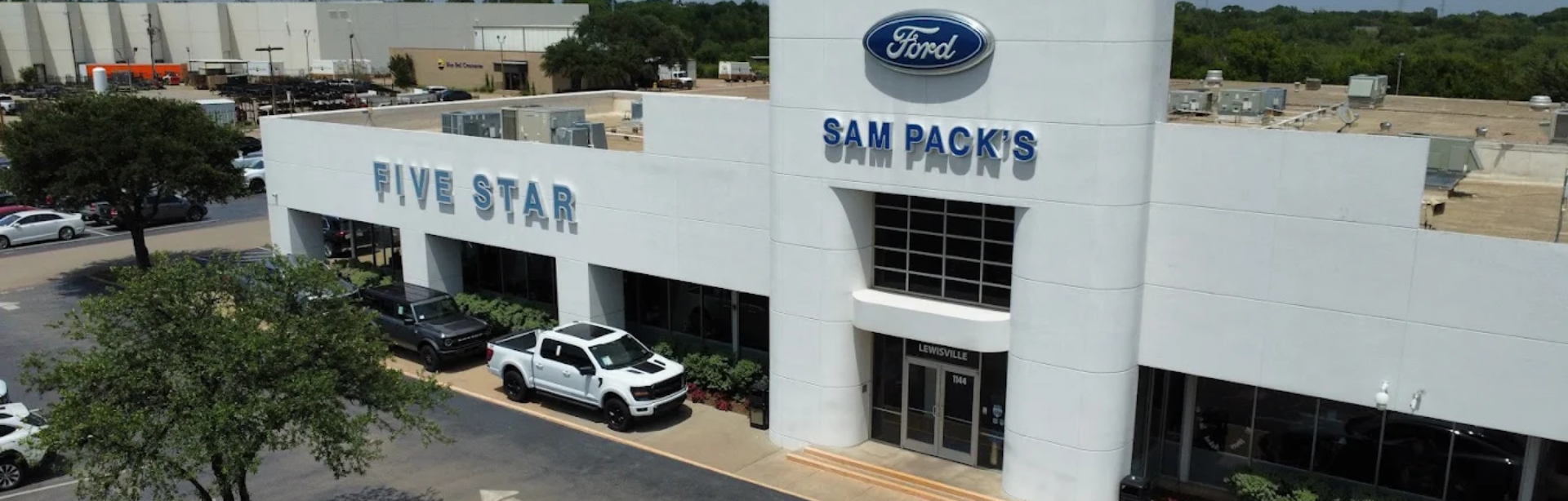
About Five Star Ford of Lewisville
Since opening our doors in 2001, our family-owned dealership has focused on serving you and our community. We are honored to be recognized with both CarFax and DealerRater awards, which reflect our team’s commitment to providing an expert, customer-first experience. Our dedication shows in everything we do, from our convenient online purchasing and home delivery options to our deep involvement with local charities and schools. Come see for yourself why so many people trust Five Star Ford of Lewisville for all their automotive needs.
Related Articles:
Don’t Get Stuck in Traffic: Your Guide to Finding the Best Ford Dealer in DFW


